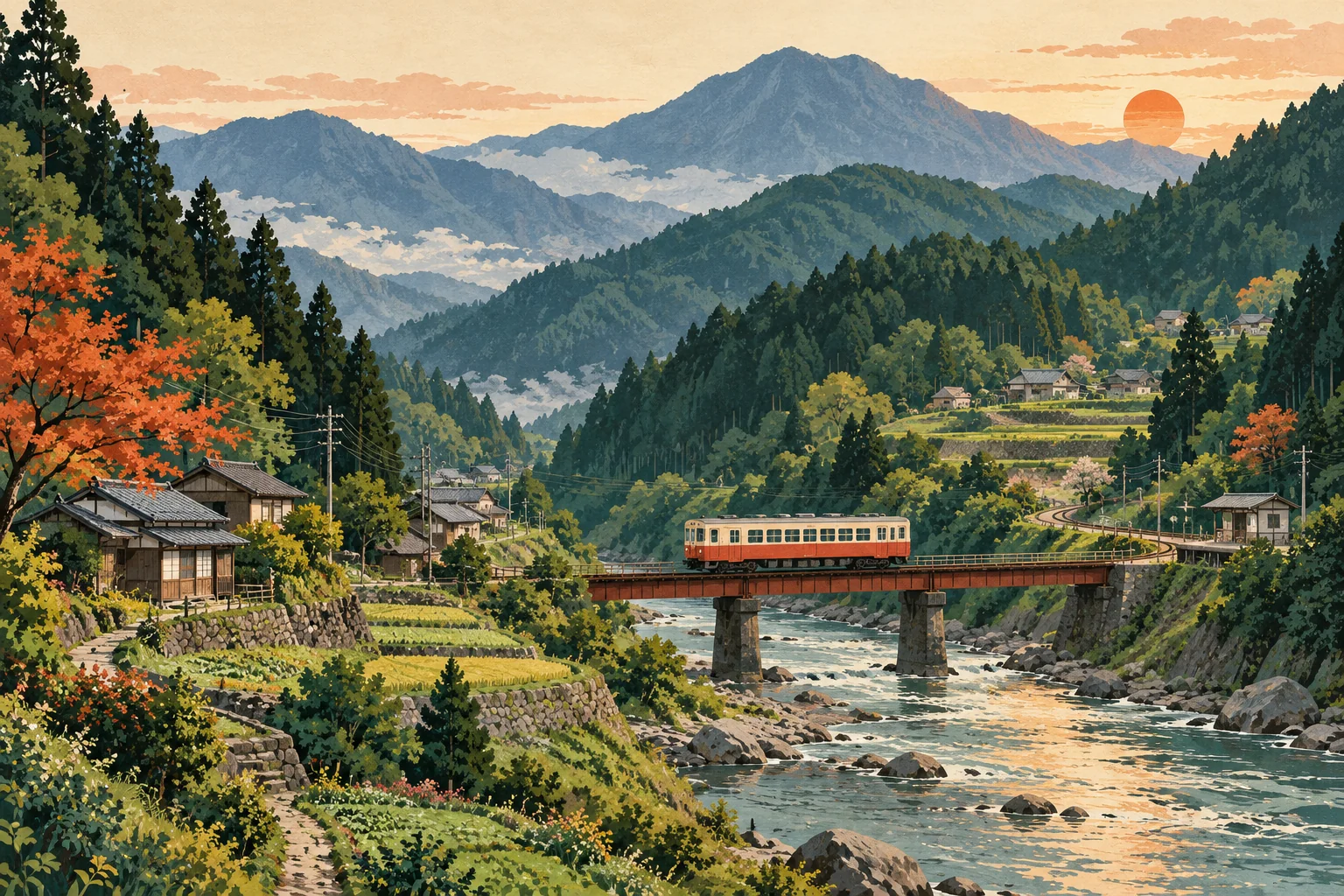
Three days in Fukuoka work well when you give each day a different purpose: settle into Hakata, combine a park with Tenjin, then visit Dazaifu. Keep one hotel throughout. This Fukuoka itinerary for 3 days assumes three usable sightseeing days; an evening arrival needs extra nights or a shorter plan. Food and pauses deserve space alongside the sights.
Choose Hakata or Tenjin by your next journey
Hakata is the practical starting point if you arrive by shinkansen or continue around Kyushu. Tenjin makes sense when shopping, evening meals and the Nishitetsu trip to Dazaifu dominate your plans. Compare the actual station exit, lifts and street walk for each hotel. A room described as central can still involve an awkward first arrival.
At the airport, the subway serves the domestic terminal. International arrivals using it need the terminal connection described in the airport’s subway access guide. Include that transfer and immigration in your arrival plan. Choose a hotel that accepts your expected check-in time; a short train ride does not make a late flight a full sightseeing day.
Day one: walk through Hakata towards the river
After leaving bags at your accommodation where permitted, start around Hakata Station, continue towards Kushida Shrine and browse the Kawabata area before reaching Nakasu. This is a suggested sequence, so check a walking map and remove a stop if the distance feels too much. Treat worship spaces as active places: follow signs and avoid blocking people entering.
Use JNTO’s Fukuoka overview to place the city within a wider Kyushu route, rather than trying to cover the whole prefecture today. Have an ordinary seated meal if you are tired. Keep a riverside evening optional, particularly after a flight. Saving an appealing street for tomorrow is preferable to pushing everyone through dinner exhausted.
Day two: Ohori Park, then Tenjin at your pace
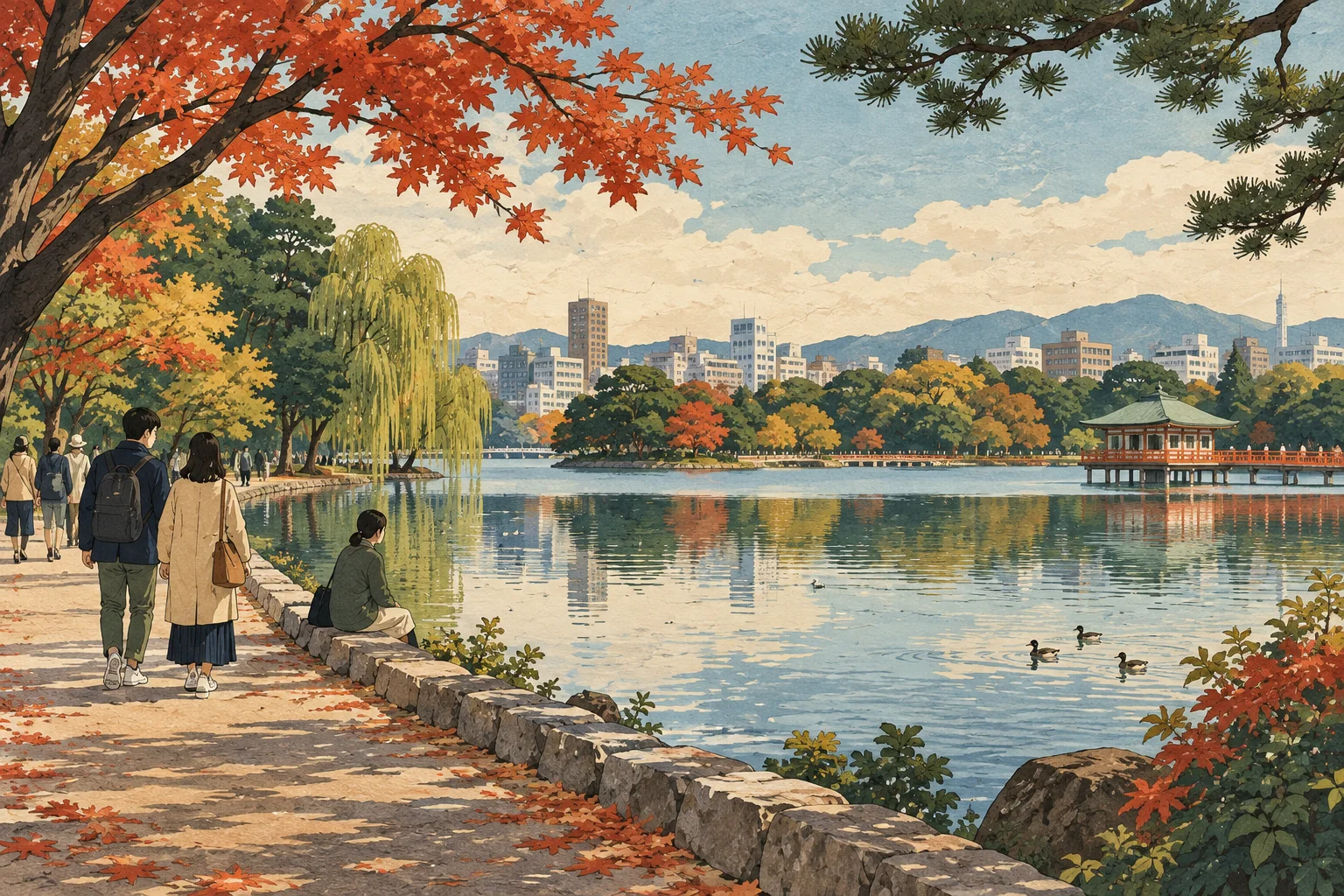
Start with time outdoors around Ohori Park, then move towards Tenjin for lunch, shops or a cafe. Decide how much walking you want before adding another neighbourhood. In persistent rain, shorten the park visit and keep an indoor afternoon around Tenjin instead of crossing the city in search of a replacement attraction.
The official subway network map shows which lines connect your chosen stops. Check the particular station, not just a familiar district name. For a Fukuoka itinerary with kids, allow a seated lunch, toilets and an easy return to the hotel. A prepaid transport card can simplify eligible rides, but it does not turn every journey into an included fare.
Make a yatai visit a small meal, not a performance
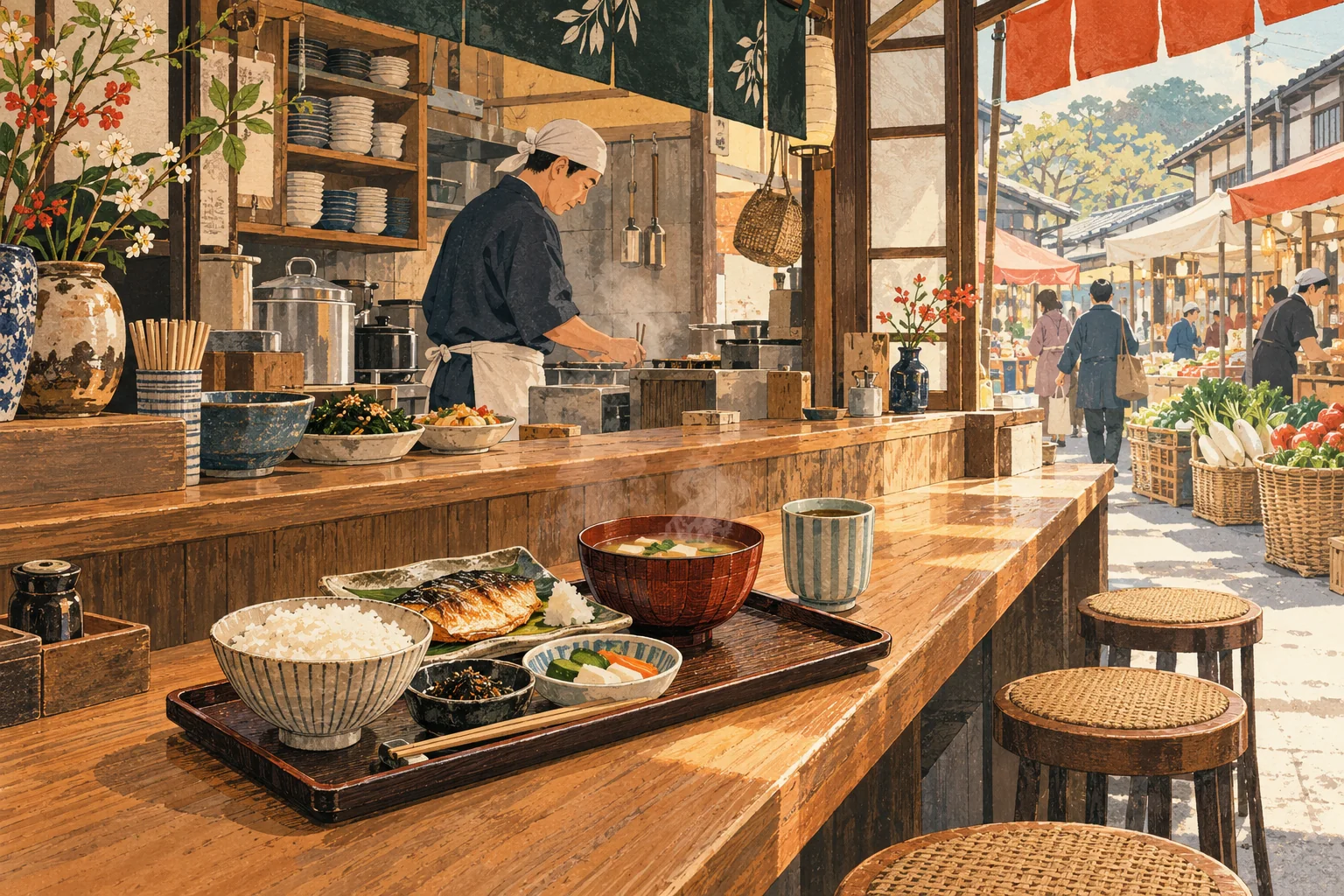
Yatai are compact food stalls, with limited seats and little space for bags. Leave large luggage at the hotel, read the menu before ordering and ask about ingredients or payment if needed. Keep a restaurant alternative in mind: a specific stall opening or an available seat should never be the only way your group can eat.
The city’s guide to considerate yatai dining asks visitors to leave room for others, respect conversation boundaries and avoid occupying seats without ordering. You can enjoy one short visit without hopping between multiple stalls. A quiet dinner also belongs in a good itinerary; nobody needs to drink alcohol or socialise with strangers to appreciate Fukuoka.
Day three: give Dazaifu its own outing
Travel from Nishitetsu Fukuoka (Tenjin) towards Dazaifu using the connection shown for your departure. Check whether a change is required on the service you choose. The city tourism route for Dazaifu links Tenjin, Dazaifu Tenmangu and Kyushu National Museum. Use it for orientation, then check the shrine’s current access and the museum’s calendar before fixing the day.
Begin with the approach to the shrine and an unhurried visit, then choose the museum or a longer lunch rather than treating both as compulsory. Allow the uphill walking around the museum site to influence your pace. Return to the same hotel in Fukuoka; adding another distant excursion today would remove the margin that makes this three-day plan manageable.
Keep passes and onward travel proportional
Price the local trips you will actually make before buying a pass. Subway, Nishitetsu and JR are different networks, and coverage depends on the exact product. Our rail ticket decision guide explains how to compare these costs. The plan works without a rental car, provided your chosen hotel and walking distances suit your mobility needs.
Keep a separate allowance for meals, admission and the airport connection using our daily budget framework. If continuing east, consider a separate stay through our Hiroshima and Miyajima two-day route, with time for the transfer. Finish Dazaifu early only when your departure requires it; do not plan a fixed final attraction against an inflexible train or flight.
A few useful answers
Is three days enough for Fukuoka?
Yes, for a focused city visit with one Dazaifu outing. This plan assumes three usable days. If arrival or departure takes most of one day, shorten the route rather than adding more stops.
Should I stay in Hakata or Tenjin?
Choose Hakata for shinkansen access and onward Kyushu travel, or Tenjin for your preferred evenings and Nishitetsu access. Check the exact hotel walk and room conditions before deciding.
Do I need a car for this Fukuoka itinerary?
No. The city sections and Dazaifu outing can use public transport and walking. Check step-free access and individual journey details if you have mobility needs or large luggage.
Check with the source
Schedules, availability and rules can change. These official sources are the place to confirm details before you book.