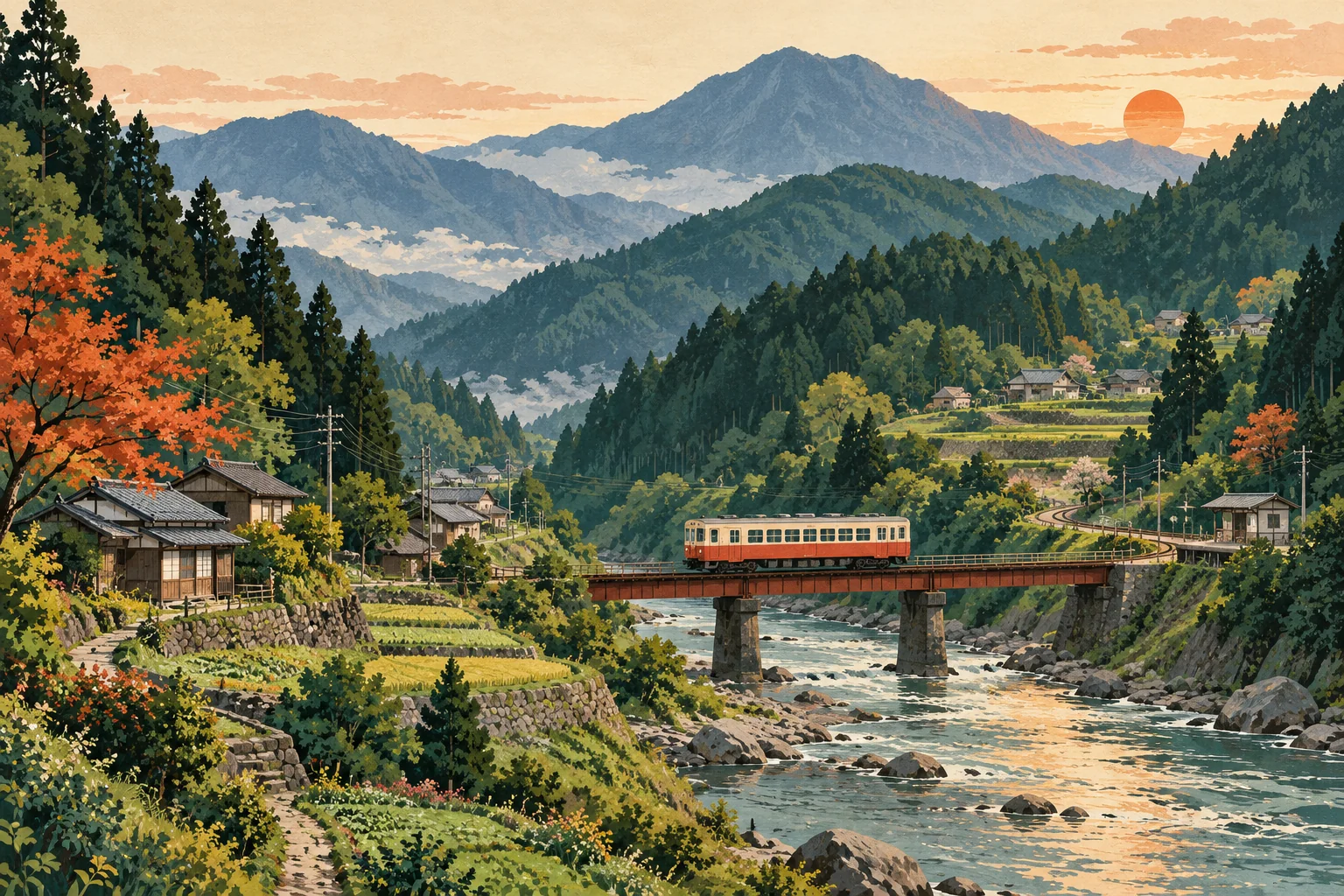
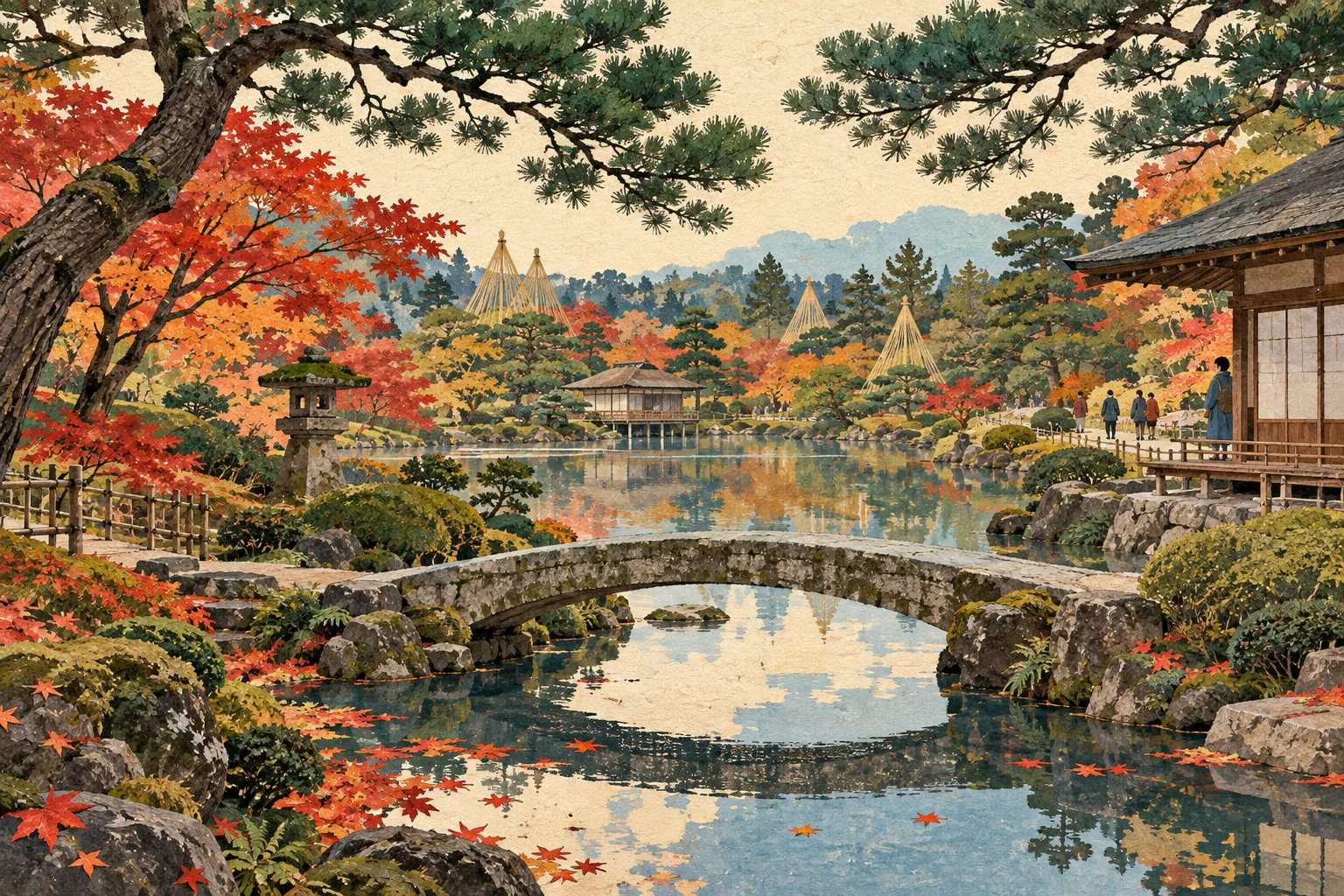
A Kanazawa itinerary for 2 days works best when gardens and historic streets get separate stretches of attention. This route gives the first day to Kenrokuen and the castle area, then pairs Higashi Chaya with a slower second afternoon in Nagamachi. Keep one hotel base and do not attach a distant village excursion to the same short stay. Two full days need more than a late arrival followed by an early departure.
Start with the arrival route and a useful hotel area
Kanazawa Station suits an early train and straightforward luggage collection. Korinbo puts you closer to the central shopping streets and the Nagamachi side of this route; compare the actual hotel walk and evening meal options. A station stay still needs onward transport to several sights, while a central stay adds a station transfer on departure.
JNTO's Kanazawa access guide confirms direct Hokuriku Shinkansen access from Tokyo and the Thunderbird plus Hokuriku Shinkansen connection via Tsuruga from Osaka or Kyoto. Do not book a nonexistent direct Thunderbird to Kanazawa. Check your specific trains and leave a transfer margin appropriate to luggage, children and your walking pace.
Understand the tickets before planning around a pass
For the Kansai approach, treat the two trains as one journey with a real interchange, not as two sightseeing slots. Reserve according to the rules of the particular service and ticket. Keep the connection details offline, and avoid scheduling a paid activity immediately after the earliest possible arrival in Kanazawa.
The JR-WEST Hokuriku one-way ticket page explains one discounted product, including eligibility and purchase restrictions; it is not a fare available to everyone. Compare it with ordinary tickets and any pass you are eligible to use. Our guide to rail-ticket choices explains why the full route should determine the purchase, rather than a discount determining your cities.
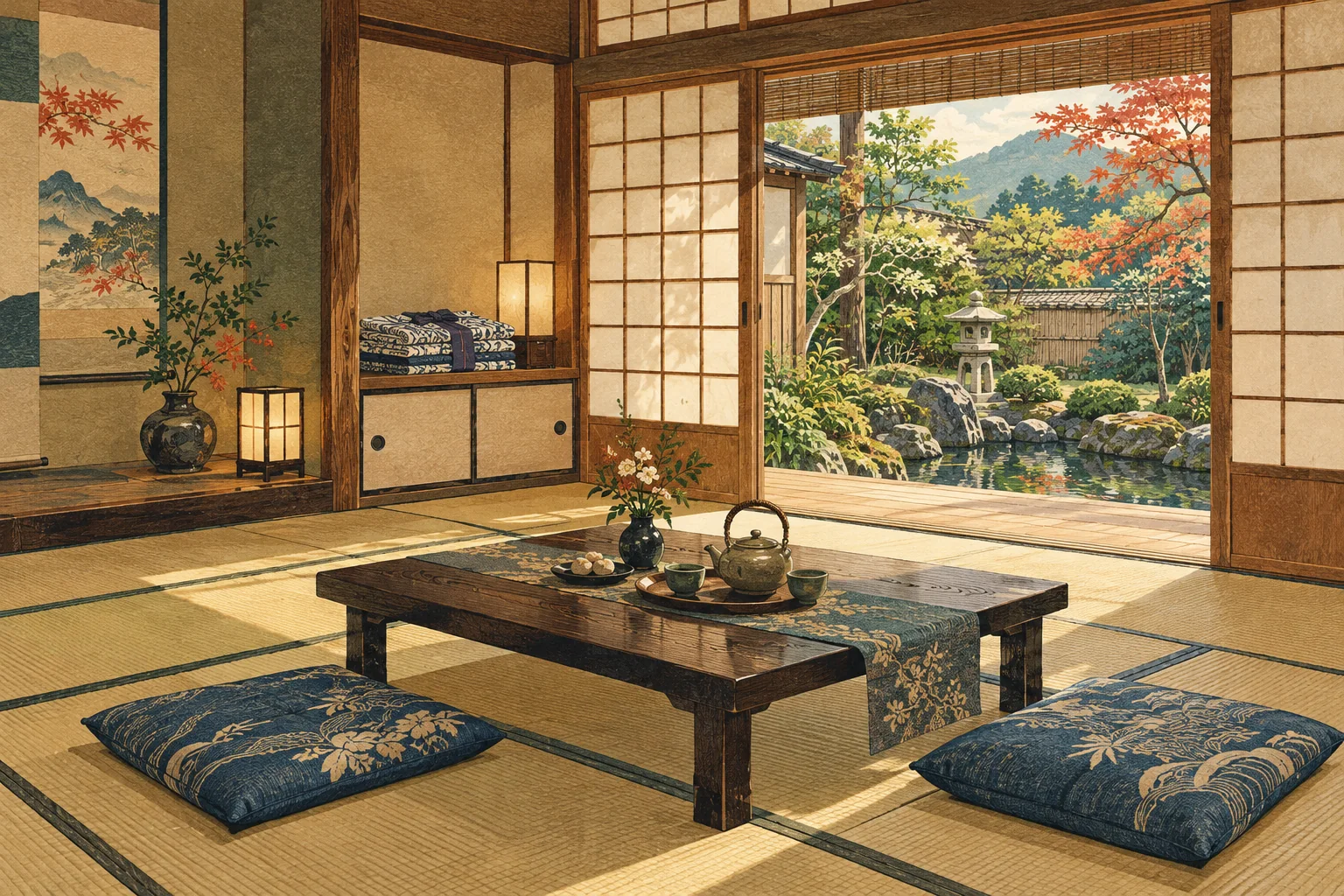
Day one: Kenrokuen first, then the castle area
Begin with Kenrokuen after checking seasonal opening and weather. Walk the paths you can comfortably manage and take time around the water, trees and changing views. Continue to neighboring Kanazawa Castle Park rather than crossing the city for another headline sight. Leave lunch flexible so the garden is not reduced to a dash between photographs.
The city tourism association's garden and castle guide confirms their adjoining location and explains the castle's surviving and reconstructed structures. Treat the park and individual interiors as separate choices with their own access conditions. If you want a museum afterward, choose one nearby and verify the current exhibition, closure day and ticket arrangements before paying.
Day two: visit Higashi Chaya while its shops are open
Head to Higashi Chaya for the traditional streets, a shop or an interior open to visitors. A very early walk and a shopping visit serve different purposes. Keep purchases and snacks within the premises or permitted areas, follow photography notices and remember that these streets include homes and working businesses.
The official Higashi Chaya neighbourhood guide makes that distinction clear: the district is not a theme park, and individual shops have their own hours. It also recommends walking or local buses instead of driving through the narrow streets. Cross toward the Asano River if conditions suit, then pause for lunch instead of forcing every nearby lane into the morning.
Give Nagamachi an afternoon, and choose the night's pace
Use the afternoon for Nagamachi and its earthen-walled streets, moving at a pace that leaves room for a small craft shop or a house open to visitors. Check each interior independently. The route is a choice of neighbourhoods, not a promise that all historic buildings are public or that every museum will be open on your dates.
Finish around Korinbo or Katamachi for dinner, allowing time to return to the hotel. A ryokan can make sense if the stay itself is part of your plan, but a meal package may impose an arrival deadline. Read our first-ryokan booking checklist before trading a flexible city evening for a fixed dinner time and a different room routine.
Keep a winter and rainy-day version ready
A Kanazawa itinerary in winter needs shorter walking blocks and footwear suitable for wet or slippery surfaces. Snow is not guaranteed. In persistent rain, swap an optional long walk for an indoor visit you have checked, or take a taxi between clusters. Do not assume every garden path or historic entrance is accessible in all conditions.
Our season-by-season planning notes help weigh those choices without promising a particular landscape. Keep a final station buffer for luggage collection and finding the platform. If you have only one day, choose either garden-and-castle or teahouse-and-neighbourhood time, then return another time for what you leave out.
A few useful answers
Is two days enough for Kanazawa?
Two full days allow the central gardens and historic districts at a reasonable pace. A Shirakawago or other distant excursion should replace a city day or extend the stay.
Is there a direct train from Kyoto to Kanazawa?
The current rail approach described by JNTO uses Thunderbird to Tsuruga, then the Hokuriku Shinkansen. Check your dated connection and ticket conditions before booking.
Should I stay near Kanazawa Station or Korinbo?
The station favors early departures and luggage logistics; Korinbo favors central walks and nearby evenings. Compare the hotel's exact location with the stops you will actually use.
Check with the source
Schedules, availability and rules can change. These official sources are the place to confirm details before you book.